Dubai is famous for scorching summers, so most residents never think about heating until the first cool January night arrives, the AC is still set to cool, and suddenly the villa feels genuinely cold. This guide walks you through when a heating system actually makes sense in the UAE, what options exist for indoor rooms and outdoor terraces, and how to plan a setup with an HVAC company so you get warmth on the two or three weeks a year you need it, without wasting money or wall space.
Context
The Dubai winter is milder than you think, until it isn’t
Unlike Europe or the northern US, buildings in the UAE are not designed with central heating. There is no radiator loop, no gas boiler, no district heat. Homes are built to shed heat, not hold it, with high ceilings, tile floors and lightweight insulation.
That works beautifully from April to October. But between mid-December and February, night temperatures in Dubai regularly drop to 12-15°C, and inland areas around Al Ain or the mountains near Ras Al Khaimah can fall into single digits. According to the UAE climate profile January is the coolest month across the country. A tiled villa with poor insulation can easily sit at 16-18°C indoors overnight, which is uncomfortable if you are used to warmer rooms.
A five-step guide to deciding on heating for your UAE home
Track how cold your home actually gets
Before spending anything, put a cheap thermometer in your bedroom and living room for two weeks in January. If nights sit above 20°C indoors, a blanket is enough. Below 18°C, heating starts to make sense.
Identify the zone you want to warm
Is it the bedroom for sleeping, the majlis for evenings, or the outdoor terrace where you host guests? Each space needs a different solution. Pick one or two priority zones instead of trying to heat the whole villa.
Check what your AC can already do
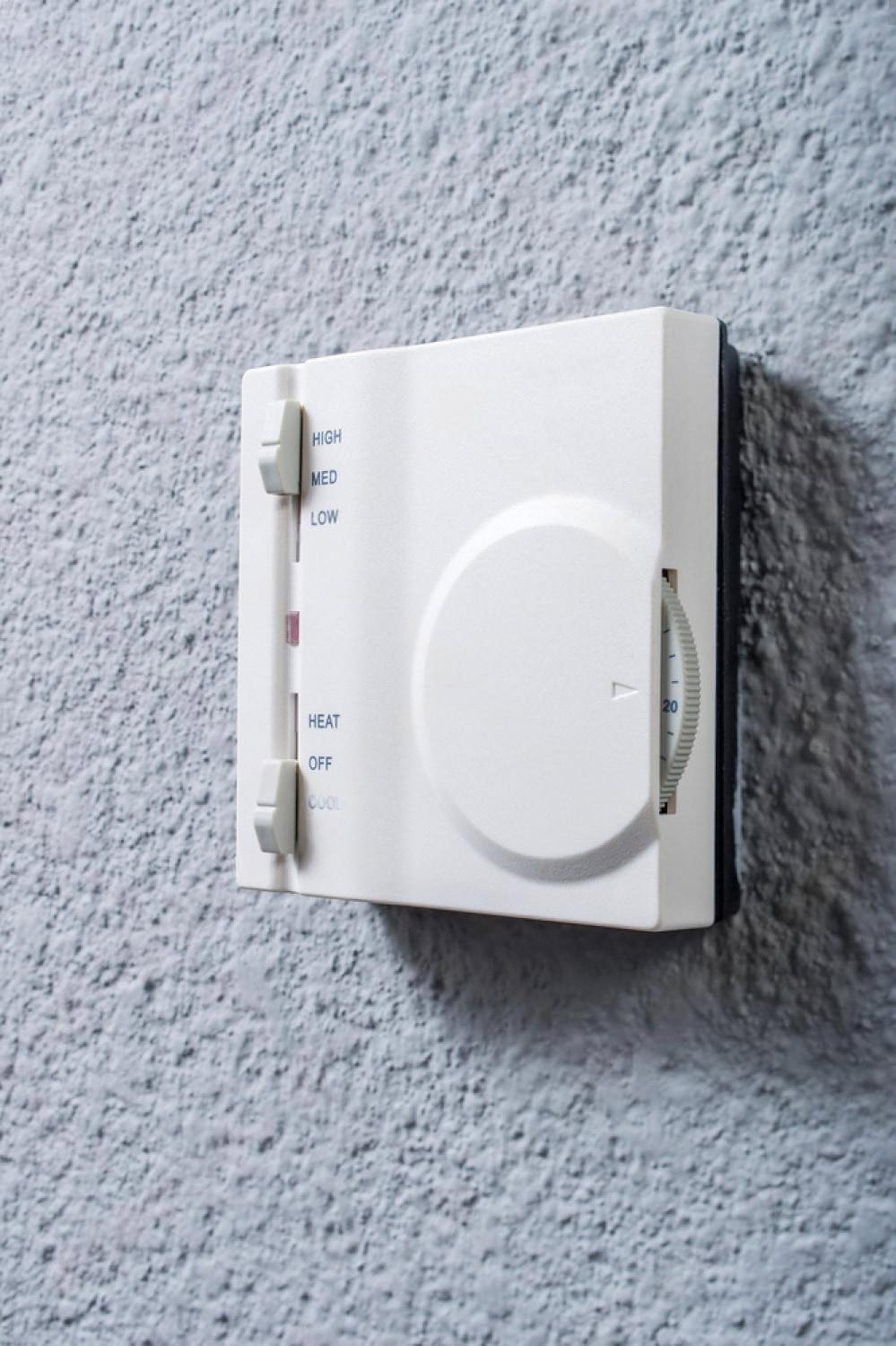
Many split units sold in the UAE are heat-pump models with a reverse cycle. Look for a snowflake and sun symbol on the remote. If yours has heat mode, you may already own a heater and never realised it.
Choose portable or fixed
For a few chilly weeks per year, a portable oil radiator or ceramic fan heater is often smarter than an installed system. For terraces, standing gas or electric infrared heaters are the standard choice across Dubai restaurants.
Talk to an HVAC specialist
If you own the property and want something permanent, describe exactly where and how you use each room. A good installer will suggest a reverse-cycle upgrade, ducted heat, or zoned electric panels based on your usage, not just the biggest system on the shelf.
Plan for easy shut-off
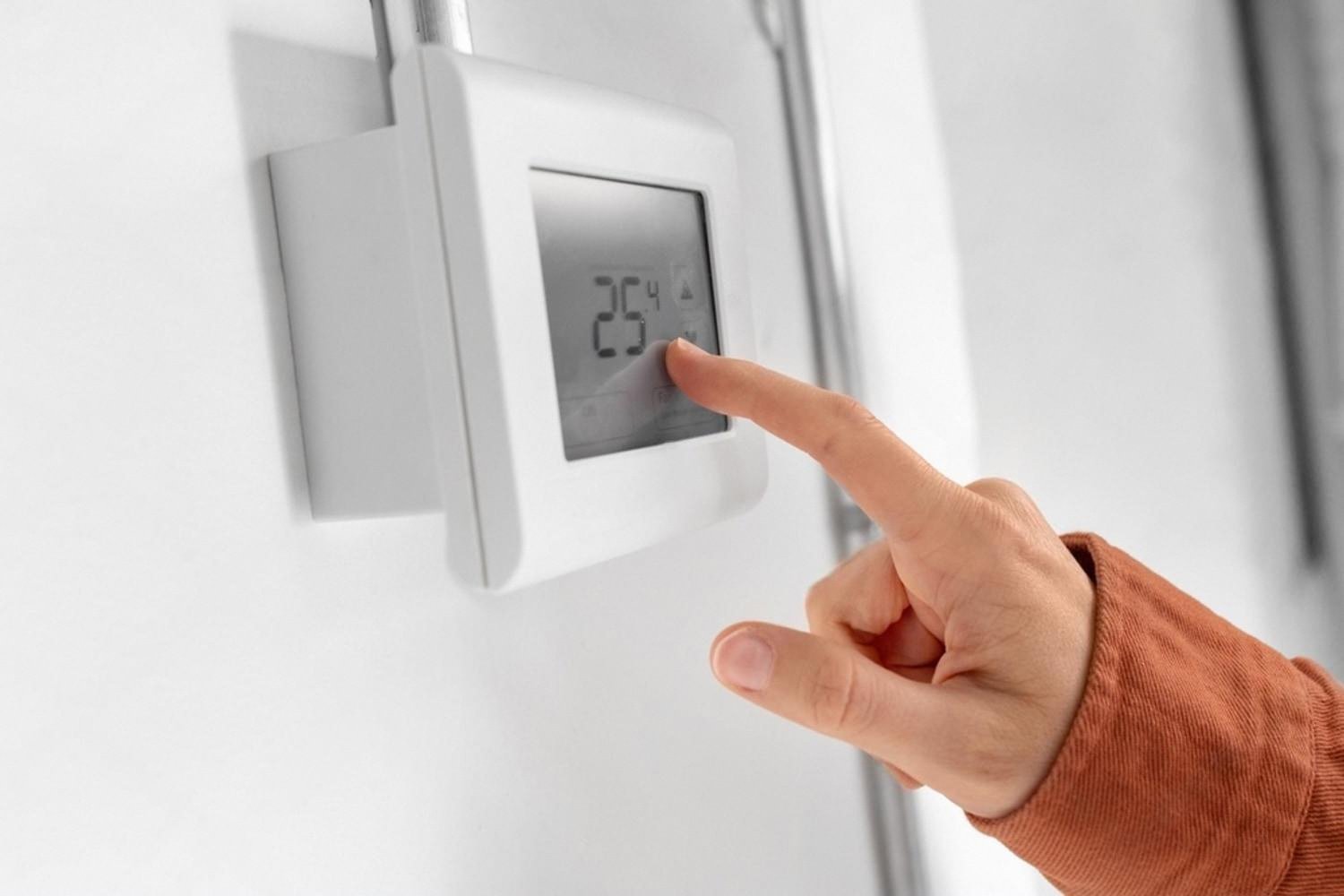
Whatever you install, insist on controls that let you switch heating off entirely for nine months a year. Individual thermostats, smart plugs or a dedicated breaker save you from phantom power draw when you don’t need warmth.
Indoor options
What most Dubai homeowners actually install
Portable oil-filled radiators dominate residential use because they are silent, safe around children, and cost 200-400 AED at any hypermarket. For villas with existing ductwork, upgrading to a reverse-cycle heat pump AC is the cleanest long-term move: the same unit cools all summer and warms in winter without adding new hardware.
- Oil-filled electric radiators for bedrooms
- Reverse-cycle split AC for whole-room heating
- Ceramic fan heaters for bathrooms and quick warm-ups
- Underfloor electric mats in new bathroom renovations
Outdoor
Warming the terrace or majlis
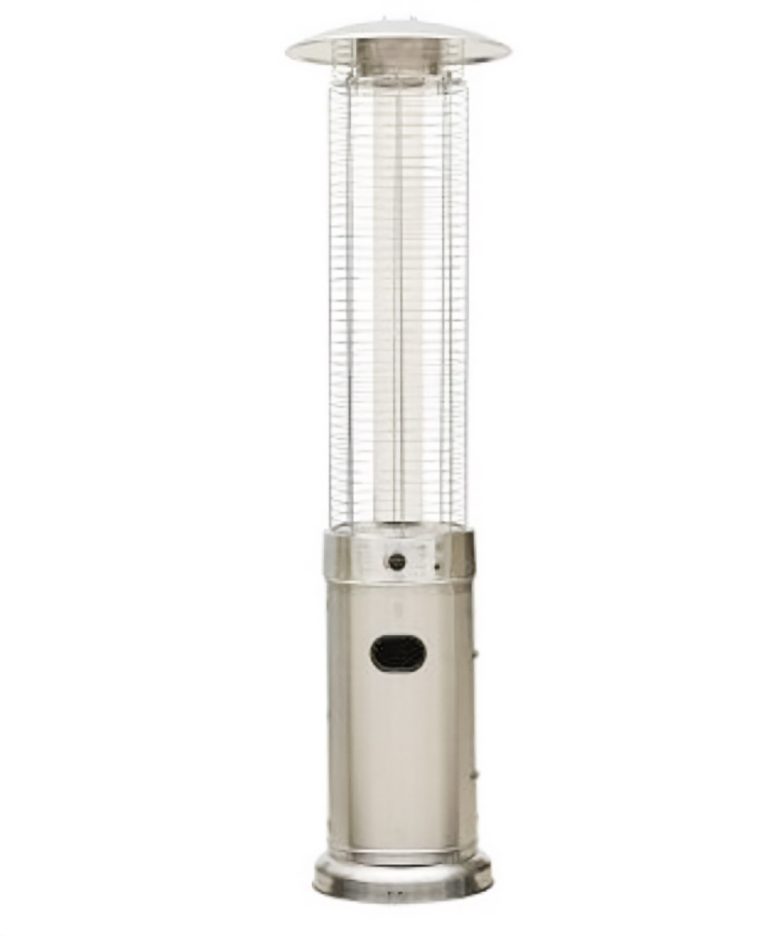
If you love hosting outdoors, the cool season is when your garden actually gets used. Standing patio heaters are the standard fix, and you will see them across every hotel courtyard in Downtown Dubai from December onwards. Propane gas heaters for outdoor spaces throw the most heat and don’t need a nearby socket, while electric infrared heaters mount on walls or ceilings and warm people directly without heating the air.
- Gas mushroom heatersbest for open terraces and large gatherings, radius of roughly 3-4 metres.
- Electric infrared stripsideal for covered pergolas and balconies where you want a clean look.
- Table-top butane heatersuseful for small groups on a dinner table when the evening cools fast.
Prerequisites before you buy or install
- Confirm your DEWA connection can handle the extra load if you plan multiple electric heaters running at once.
- Check tenancy rules: renters usually need written landlord approval for any fixed wall or ceiling unit.
- Ventilate rooms using any combustion heater, gas appliances need airflow to be safe.
- Buy heaters with tip-over and overheat cutoffs, non-negotiable if you have kids or pets.
- Keep receipts and warranties, many portable heaters get one heavy use season and then sit for eleven months.
Troubleshooting
Common questions when the cold night hits
My AC has a heat mode but blows cool air. Give it 5-10 minutes. Heat pumps take longer to warm up than they take to cool. If it still runs cold, the reversing valve or refrigerant charge may need service.
The room warms but feels damp. Winter humidity in coastal Dubai can climb above 70%. Run the AC in dry mode for an hour before switching to heat, or keep a small dehumidifier in the room.
My DEWA bill jumped in January. Electric heaters draw serious power, 1500-2400W is typical. Use them only in the room you occupy and switch off at the wall when you leave. A timer plug pays for itself in one winter.
For technical advice on refrigerants and heat-pump servicing, the US Department of Energy overview is a solid neutral reference before you meet a local contractor.
Frequently asked questions
Does it actually get cold enough in Dubai to need heating?
For most people, only for two to six weeks a year. Coastal Dubai sees January nights around 12-15°C outside, which translates to indoor temperatures of 16-19°C in a typical villa. That is not dangerous, but it can feel uncomfortable if you are sensitive to cold or used to European winter indoor standards of 21-22°C.
Is there central heating in Dubai apartments?
No. UAE buildings are engineered for cooling, not heating. There are no radiators, no gas boilers, and no district heating loop. What you sometimes have is a reverse-cycle split AC that can produce warm air, but that is per-room, not centralised.
Can I use my AC as a heater?
Only if it is a heat-pump model with reverse-cycle capability. Check the remote for a sun icon or a HEAT setting. If it has one, switch modes, set the temperature to around 24°C, and give it up to ten minutes to start blowing warm air. Older cooling-only units cannot heat at all.
What is the safest heater for a bedroom in the UAE?
Oil-filled electric radiators are the most popular choice because they run silently, have no exposed hot elements, and switch off automatically if tipped over. Keep them at least half a metre from curtains and bedding, and never leave any electric heater running unattended overnight.
Are gas patio heaters allowed on Dubai balconies?
Rules vary by community and building. Many high-rise towers ban propane cylinders on balconies for fire-safety reasons, while villa gardens and ground-floor terraces are usually fine. Check with your building management or homeowners’ association before buying, and always position gas heaters in open, ventilated space.
Should I install permanent heating or just buy a portable heater?
For renters and short-term residents, portable is almost always the right answer. You get flexibility, no landlord approvals, and no wasted investment when you move. Owners who plan to stay long-term and use specific rooms heavily in winter may prefer a reverse-cycle AC upgrade or fixed infrared panels, which an HVAC contractor can size for the actual room.
How much does a heating setup cost in the UAE?
A basic portable oil radiator runs 200-400 AED. A quality standing gas patio heater is typically 1,200-2,500 AED plus gas refills. Upgrading to a reverse-cycle split AC is a larger job, expect several thousand dirhams per room including installation. Get two or three quotes before committing.

Surfer, hustler, hiphop head, reclaimed wood collector and recent OCAD grad. Acting at the intersection of design and programing to give life to your brand. Check me out on Dribbble or Medium.